
What is the main downside of pressure-treated decking?
Pressure-treated decking needs periodic stain or sealant, and the boards can check, crack, cup or warp when maintenance is ignored or airflow is poor.
Review maintenance expectationsDecking materials
Pressure-treated lumber is still the practical entry point for many New Jersey and Staten Island deck projects because it keeps the first quote lower and stays easy to repair.
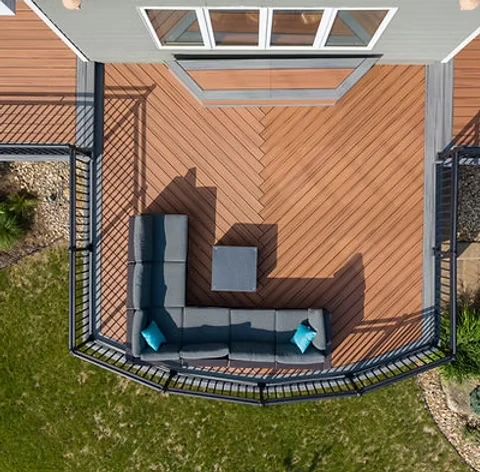
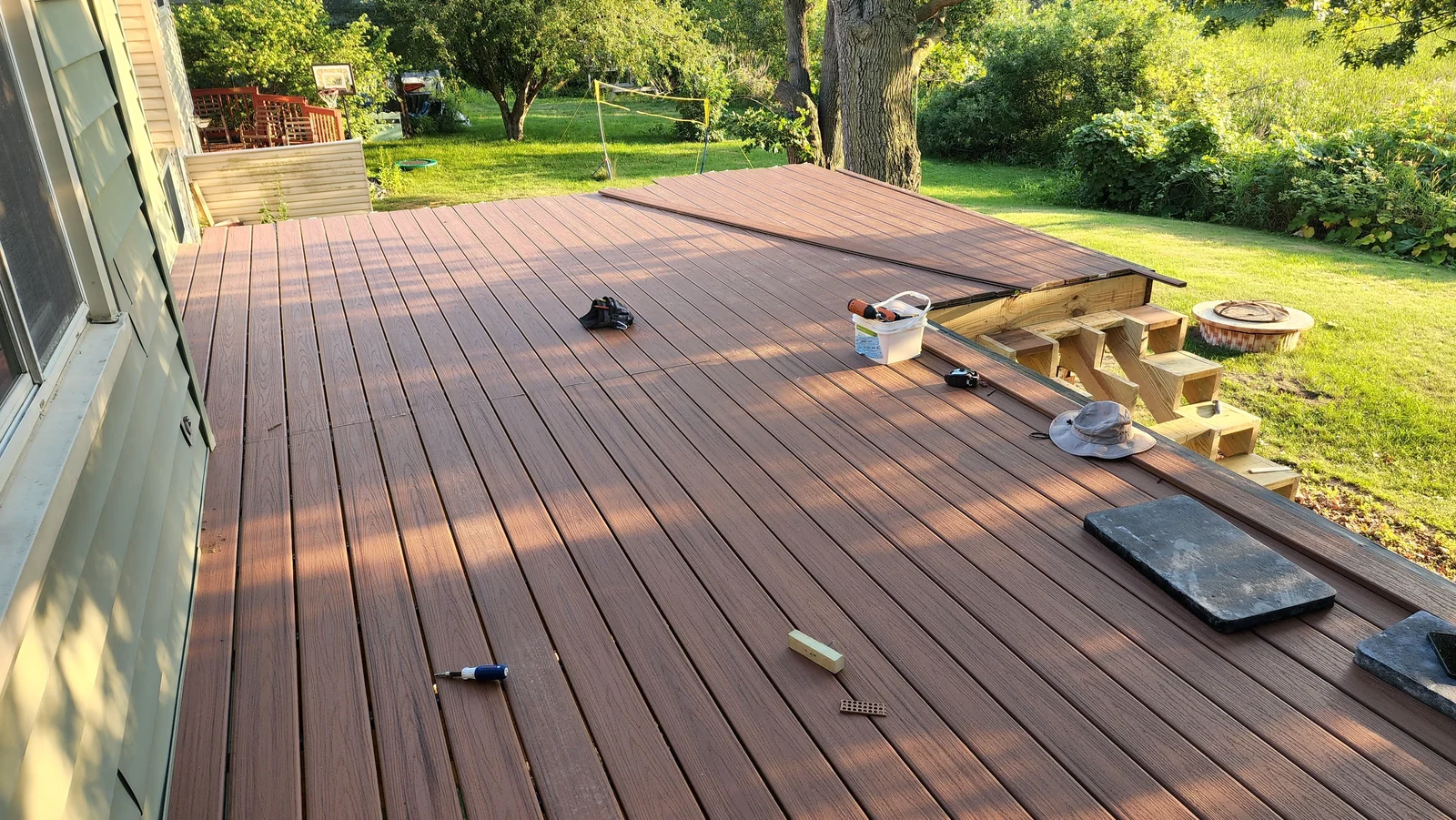
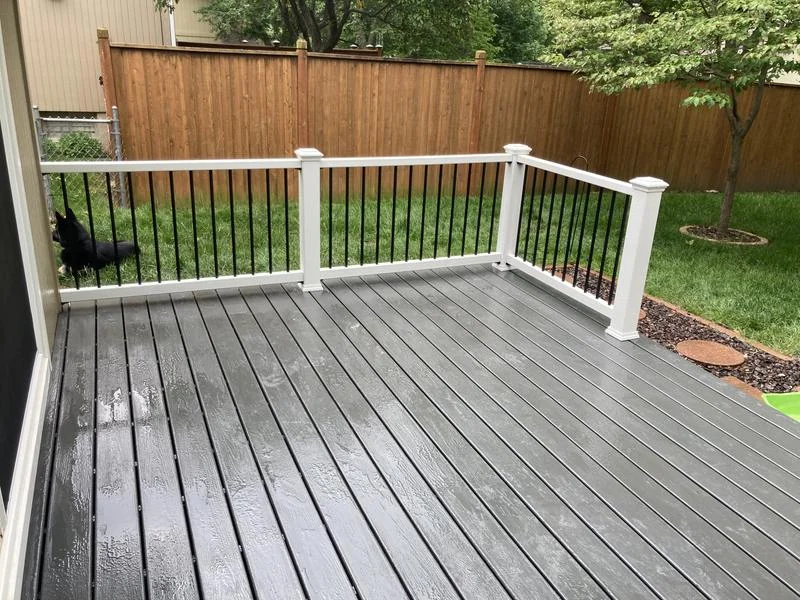
Budget
Lowest material budget, but maintenance and future board replacement should be included in the ownership cost.
Lifespan
Typical planning range: 15-20 years when the framing drains, the boards dry and the finish is maintained.
Maintenance
Expect cleaning, fastener checks and stain or sealant cycles. Neglect shows up as cracking, cupping, splinters and dark water marks.
Permit note
Permit needs are driven by height, ledger attachment, stairs and structural scope, not by the fact that the surface is wood.
Planning guide
Pressure-treated wood decks are worth it when the project needs the lowest upfront cost, easy board replacement and a realistic 15-20 year life with regular staining or sealing. Eager Beaver Decks quotes pressure-treated decks in NJ and Staten Island at +1 (908) 402-4919.
This guide is written for homeowners comparing the cheapest legitimate deck material against composite or PVC before requesting a quote.
The local picture: New Jersey and Staten Island backyards where the owner wants useful outdoor space without jumping straight to a premium composite budget. In New Jersey and Staten Island the same deck photo can price differently because of access, demolition, township or NYC paperwork, stair count and railing length — so a real quote names those drivers before work starts.
Quick answer
Pressure-treated wood decks are worth it when the project needs the lowest upfront cost, easy board replacement and a realistic 15-20 year life with regular staining or sealing. Eager Beaver Decks quotes pressure-treated decks in NJ and Staten Island at +1 (908) 402-4919.
Read the pressure-treated deck guideUse pressure-treated wood when the homeowner is price-sensitive, expects future repairs to be simple and accepts maintenance as part of ownership.
Budget: Lowest material budget, but maintenance and future board replacement should be included in the ownership cost.
Lifespan: Typical planning range: 15-20 years when the framing drains, the boards dry and the finish is maintained.
Upkeep: Expect cleaning, fastener checks and stain or sealant cycles. Neglect shows up as cracking, cupping, splinters and dark water marks. Wood is usually more comfortable underfoot than dark composite in direct sun, but it is more vulnerable to water absorption and seasonal movement.
A quote is only useful when it can be audited. Before anyone orders boards, railings or hardware for pressure-treated wood, the estimate should put these specifics on paper — that is how you tell a real fixed quote from a vague low number:
Square footage is rarely the whole story. For pressure-treated wood, the line items below move the number the most, and a clean proposal makes each one visible instead of hiding it until the final invoice:
Permit needs are driven by height, ledger attachment, stairs and structural scope, not by the fact that the surface is wood.
Safety is not an upsell. Loose railings, soft stair stringers, questionable ledger flashing and water-damaged joists turn a good-looking surface into a liability, so the quote should keep must-fix structural work separate from cosmetic choices.
The most common ways homeowners scope pressure-treated wood in this market:
Priced with material, railings, stairs, framing assumptions, access and cleanup in one scope so pressure-treated wood stays honest to compare.
Priced with material, railings, stairs, framing assumptions, access and cleanup in one scope so pressure-treated wood stays honest to compare.
Priced with material, railings, stairs, framing assumptions, access and cleanup in one scope so pressure-treated wood stays honest to compare.
The cheapest mistake is the one caught before the deposit. With pressure-treated wood, watch for:
New Jersey and Staten Island backyards where the owner wants useful outdoor space without jumping straight to a premium composite budget. Those conditions should shape the scope instead of using the same assumptions for every yard:
Before approving pressure-treated wood, ask the contractor to prove the following in writing:
The terms homeowners actually type when they reach this stage:
Yes. Pressure-treated wood is usually the lowest upfront decking material, but it requires more maintenance over time.
Yes. One advantage of wood is that damaged boards can usually be replaced without rebuilding the whole deck.
Choose wood for lower upfront cost. Choose composite when low maintenance and longer finish life matter more than initial price.
The right next page depends on what the estimate still needs to clarify:
Free onsite estimates by appointment. Call or use the booking form and a real person will confirm the service area, scope and next available visit.
Built Eager. Built Right.
Tell us your ZIP, service type and best callback time. We will confirm whether the project fits the service area and schedule an onsite estimate.
We use your information to respond and schedule estimates. Privacy Policy